-2011- Psima Ulaz Zabranjen Lektira .pdf Apr 2026
Launch Your Own AI Subscription Business Powered by ChatGPT-4o, Claude, Grok, Gemini, Jasper & More — All Without Paying a Dime in Monthly Fees.
Start Your AI Empire Today
Launch Your Own AI Subscription Business Powered by ChatGPT-4o, Claude, Grok, Gemini, Jasper & More — All Without Paying a Dime in Monthly Fees.
Start Your AI Empire Today
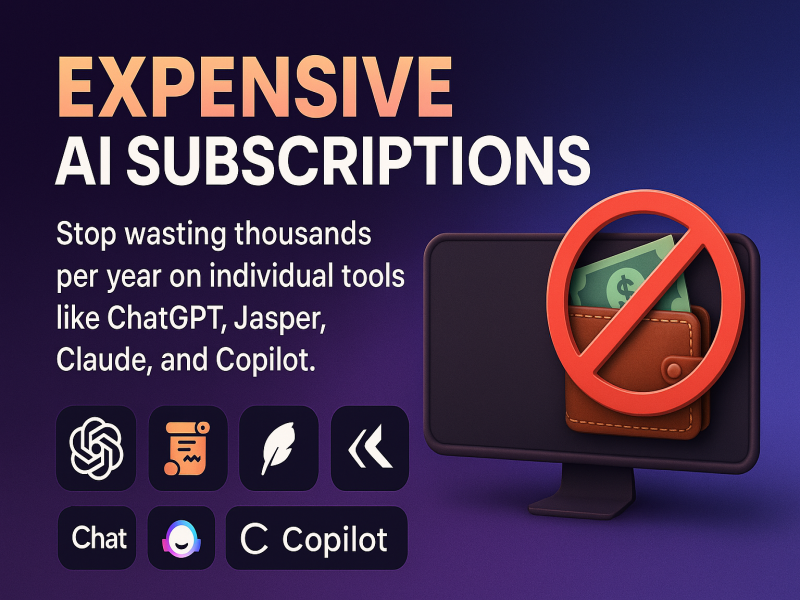
Stop wasting thousands per year on individual tools like ChatGPT, Jasper, Claude, and Copilot.
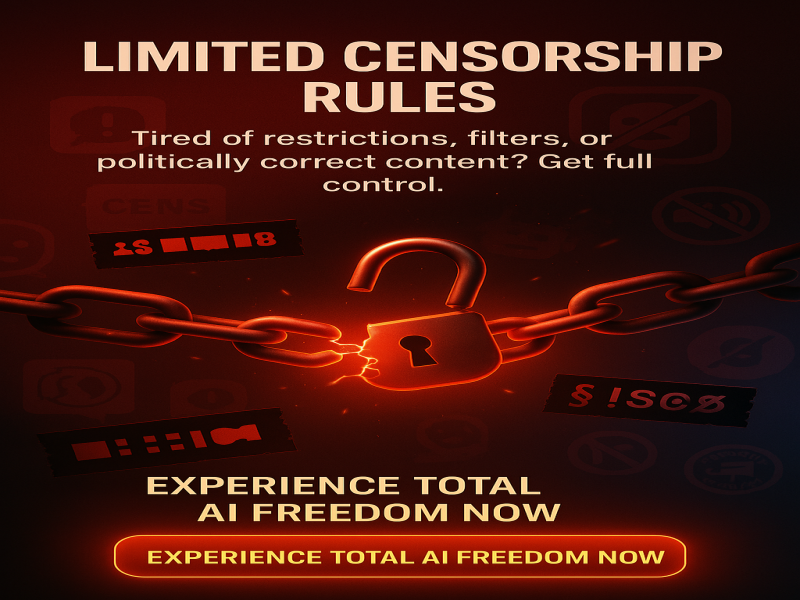
Tired of restrictions, filters, or politically correct content? Get full control.
No more logging into multiple accounts. Manage everything from one clean dashboard.

Why rent access when you can own and sell access to your own AI subscription product?
Access ChatGPT-4o, Claude, Copilot, Jasper, Grok & more in a single dashboard
Pay once and access forever — saving you over $12,717/year
Ask anything, explore everything — including NSFW and adult AI chat features
Start your own AI subscription SaaS – charge users whatever you want
Create and sell content, apps, chats, and more without restrictions
Newbie-friendly interface, live support & AI-driven guidance built in
Side Hustler
I built my own AI subscription service and made $729 in the first week. This platform is a game changer!
Digital Marketer
I was spending $800/month on 5 different AI tools. Now I get all of them — uncensored — in one place. Love it!
AI Consultant
Finally a platform that respects freedom of speech and gives me full commercial control. Highly recommended.
The implications of the ban were far-reaching. For readers and scholars, it represented a limitation on their ability to engage with potentially provocative or challenging ideas. For writers, it signaled a worrying trend towards increased censorship and control over creative expression. Moreover, for the broader society, it raised questions about who gets to decide what is acceptable and what is not, and the criteria used to make such judgments. The public reaction to the ban was immediate and intense. Protests were organized, petitions circulated, and social media platforms were flooded with messages of support for the work and condemnation of the censorship. Intellectuals, writers, and artists rallied around the cause, arguing that literature should be free from censorship and that readers should be trusted to make their own judgments about what they read.
In 2011, a significant controversy emerged in the literary world, particularly in the Balkans, surrounding a text known as “Psima Ulaz Zabranjen Lektira.” This text, which translates to “Forbidden Reading for Dogs” in English, sparked heated debates about censorship, freedom of expression, and the role of literature in society. This article aims to explore the context, implications, and repercussions of the ban on “Psima Ulaz Zabranjen Lektira,” shedding light on a critical moment in literary history. Background “Psima Ulaz Zabranjen Lektira” is a work that, by its very title, suggests themes or content that were deemed inappropriate or offensive by certain standards. The exact nature of the text—whether it be a novel, collection of essays, poetry, or another form of literature—remains somewhat obscure, partly due to the controversy that quickly enveloped it. However, it is known that the work was intended for a mature audience, given the nature of its title and the contentious reaction it provoked. The Ban and Its Implications The decision to ban “Psima Ulaz Zabranjen Lektira” in 2011 was met with widespread criticism from literary circles, human rights advocates, and those who champion freedom of expression. The ban was seen as a direct infringement on the right to read and access information, sparking fears about censorship and the potential for government or institutional control over what individuals can and cannot read. -2011- Psima Ulaz Zabranjen Lektira .pdf
The debate that ensued was not merely about the text itself but about the principles of freedom of expression, the role of literature in challenging societal norms, and the limits of state or institutional power over cultural production. It highlighted the ongoing tension between protecting societal values and ensuring that literature can continue to push boundaries and provoke thought. The controversy surrounding “Psima Ulaz Zabranjen Lektira” serves as a potent reminder of the power of literature to challenge, provoke, and inspire. It underscores the importance of defending the freedom to read and the freedom to write, even when the content may be deemed controversial or offensive by some. As society continues to grapple with questions of censorship, morality, and artistic expression, the case of “Psima Ulaz Zabranjen Lektira” stands as a significant example of the enduring struggle for intellectual freedom. The implications of the ban were far-reaching
Join thousands who have already taken the next step toward success.
Start Your AI Empire Today