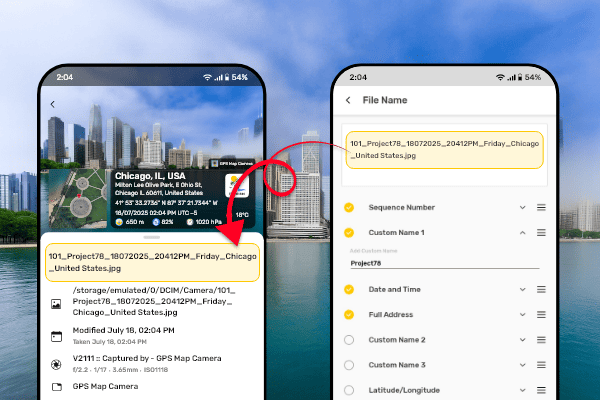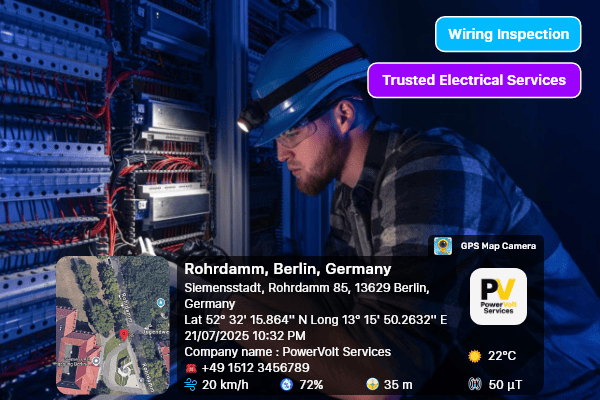
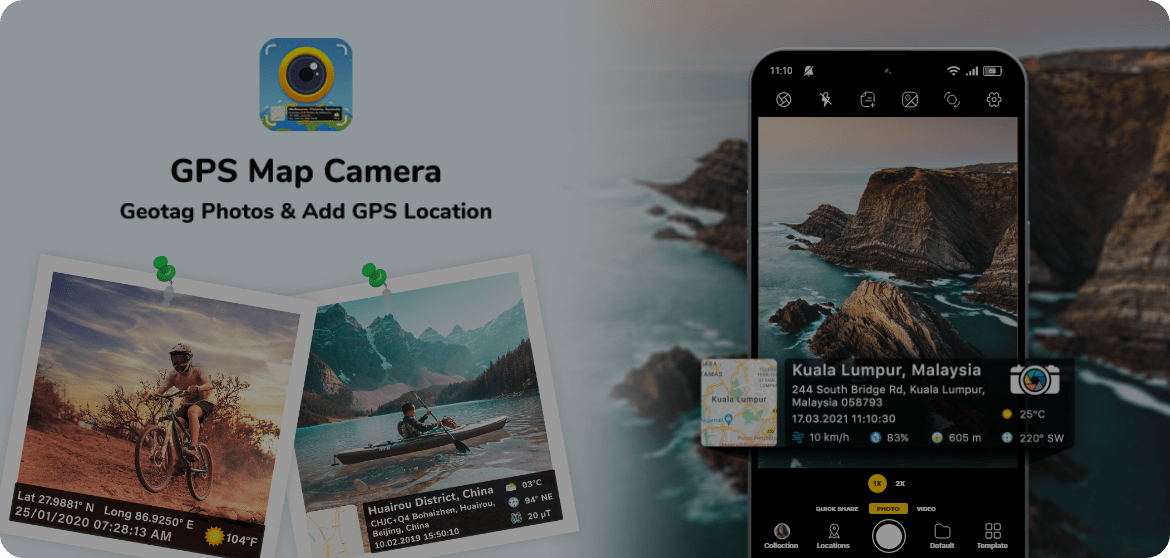
Add a text label to your work photo instantly with the GPS Map Camera.

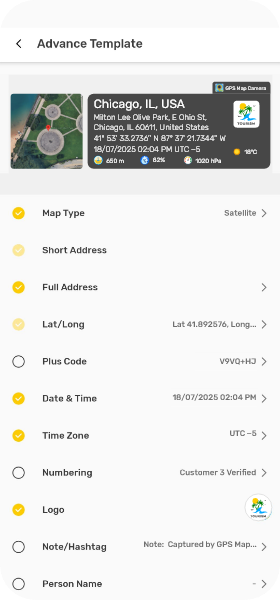
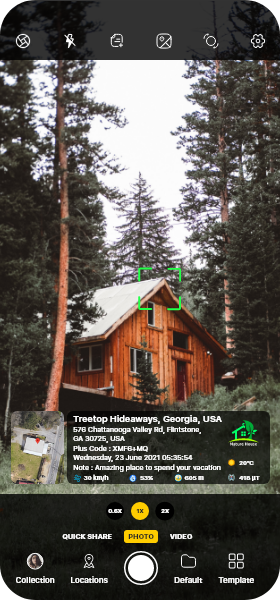
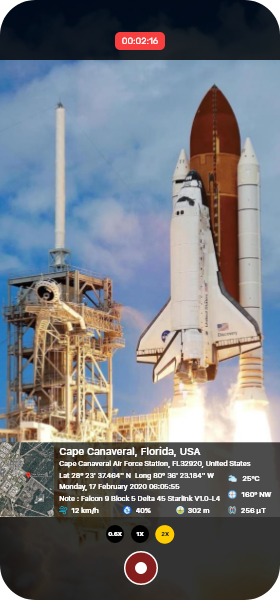
Auto-stamp your photos & videos with accurate location, date, time, map, logo, and more. Perfect for professionals, travelers, & field teams.
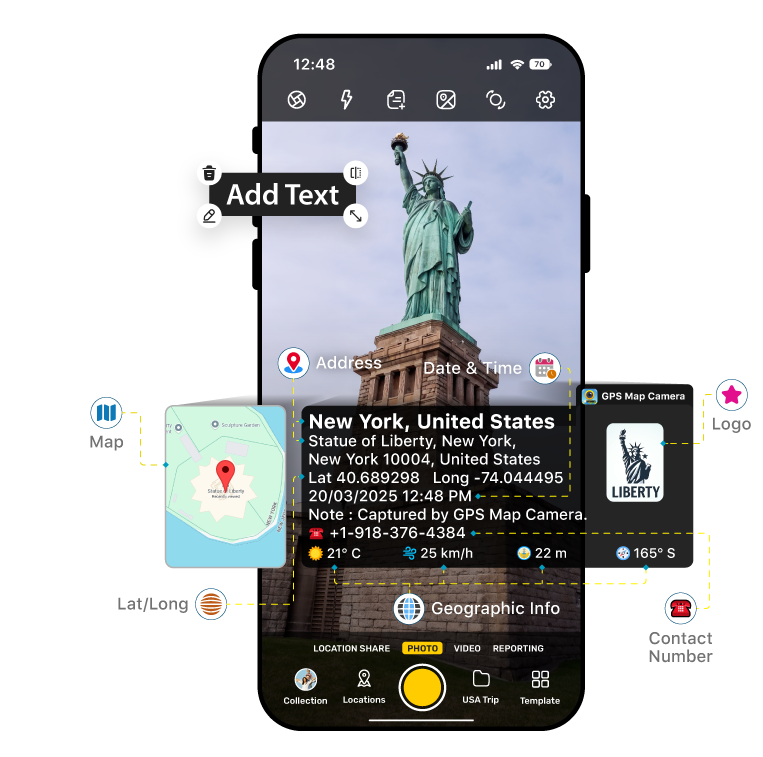
Capture photos with real GPS coordinates & map overlay
Date & time stamps that can’t be edited
Add project name, notes, phone number & your brand logo
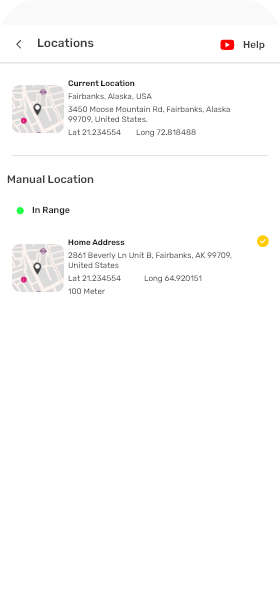
Choose automatic or manual location input for flexibility
Used by millions of real estate, construction & contractor, and remote professionals
However, this creates a feedback loop. Popular media is becoming increasingly risk-averse. While we have more volume than ever, we are seeing a collapse of the "mid-budget" original. Everything must be a franchise, a universe, or a true-crime docuseries because the math says those are the safest bets. If the 2010s were the decade of the "Binge," the 2020s belong to the "Micro-Binge." Enter TikTok, YouTube Shorts, and Instagram Reels.
Popular media is no longer just a mirror reflecting society; it is a hammer shaping it. It dictates our fashion, our slang, our politics, and our loneliness. To be a literate citizen in this age is not just to watch content, but to understand the architecture of the algorithm that feeds it to you.
This fragmentation has a double edge. On one hand, it has birthed the "Golden Age of Niche." Content no longer has to appeal to everyone; it just has to appeal intensely to someone. On the other hand, the shared cultural touchstones that once united us are vanishing, replaced by algorithmically curated silos. Perhaps the most significant shift in popular media is who—or what—decides what gets made. For decades, the gatekeepers were studio executives and network heads. Today, the gatekeeper is the Algorithm .
Critics argue this is destroying our attention spans. Creators argue it is the most democratic art form ever invented. A teenager in Ohio can now edit a video that reaches 10 million people, bypassing every traditional media gatekeeper. For better or worse, popular media is no longer a broadcast; it is a conversation—albeit a very loud, very fast one. As traditional community structures weaken, popular media figures have stepped into the void. Radio hosts once called listeners "friends." Now, YouTubers and podcasters literally look you in the eye through a lens and speak to you as if you are sitting on their couch.
Soon, the line between "watching" and "doing" will blur entirely. Generative AI will allow you to insert yourself into your favorite sitcom or generate a new episode of a canceled show on the fly.
Streaming services don't just host content; they mine it. They know when you paused, when you rewound, and when you fell asleep. This data feeds back into production, leading to a wave of "data-driven" entertainment. This is why we saw a resurgence of Top Gun nostalgia or a Suits revival years after it aired. The algorithm spotted latent demand.
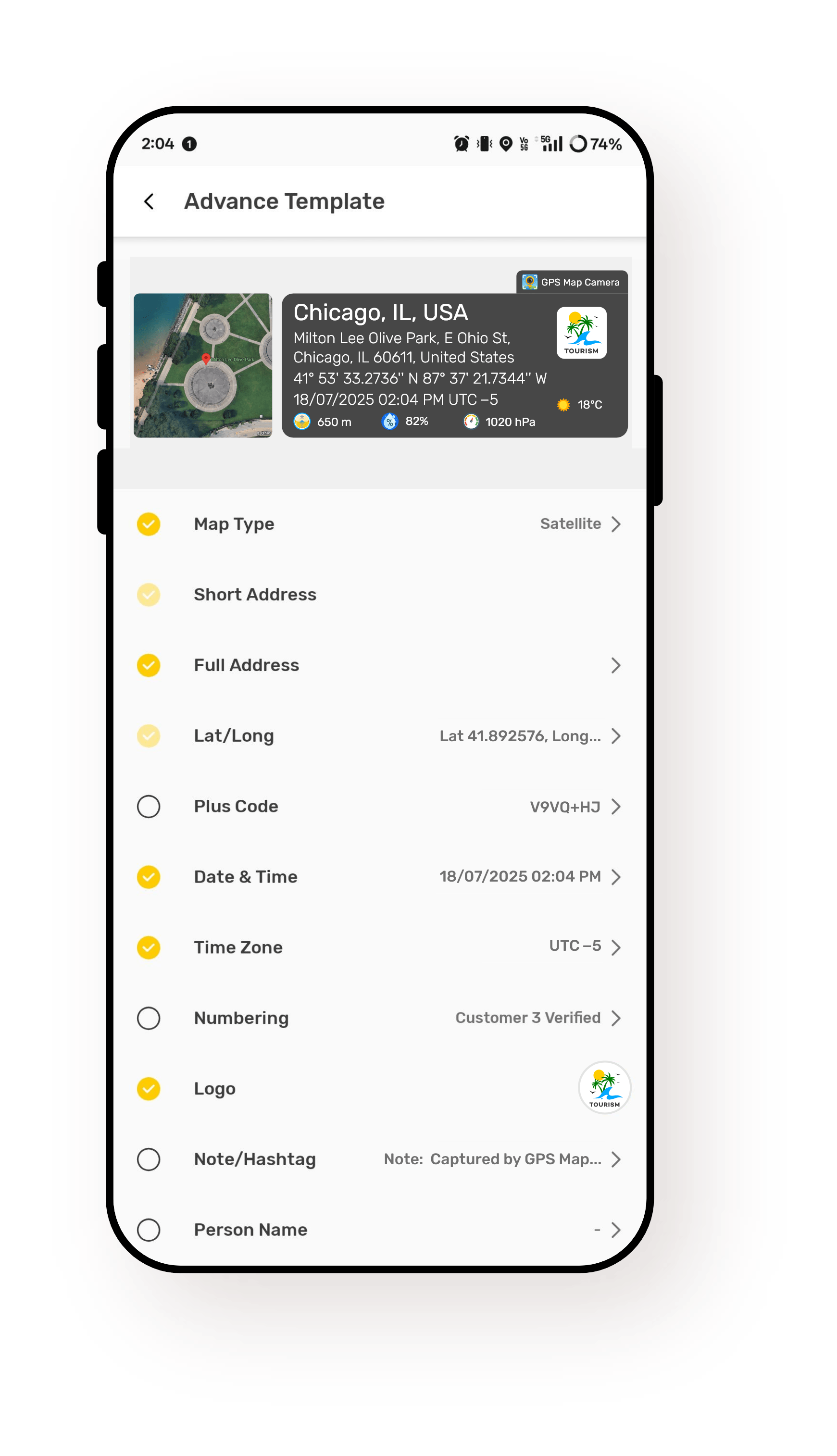

GPS Map Camera gives you full control to create photo documentation that’s authentic, accurate, and impossible to fake. Whether you’re on a site, in the field, or documenting memories, every image becomes verifiable proof
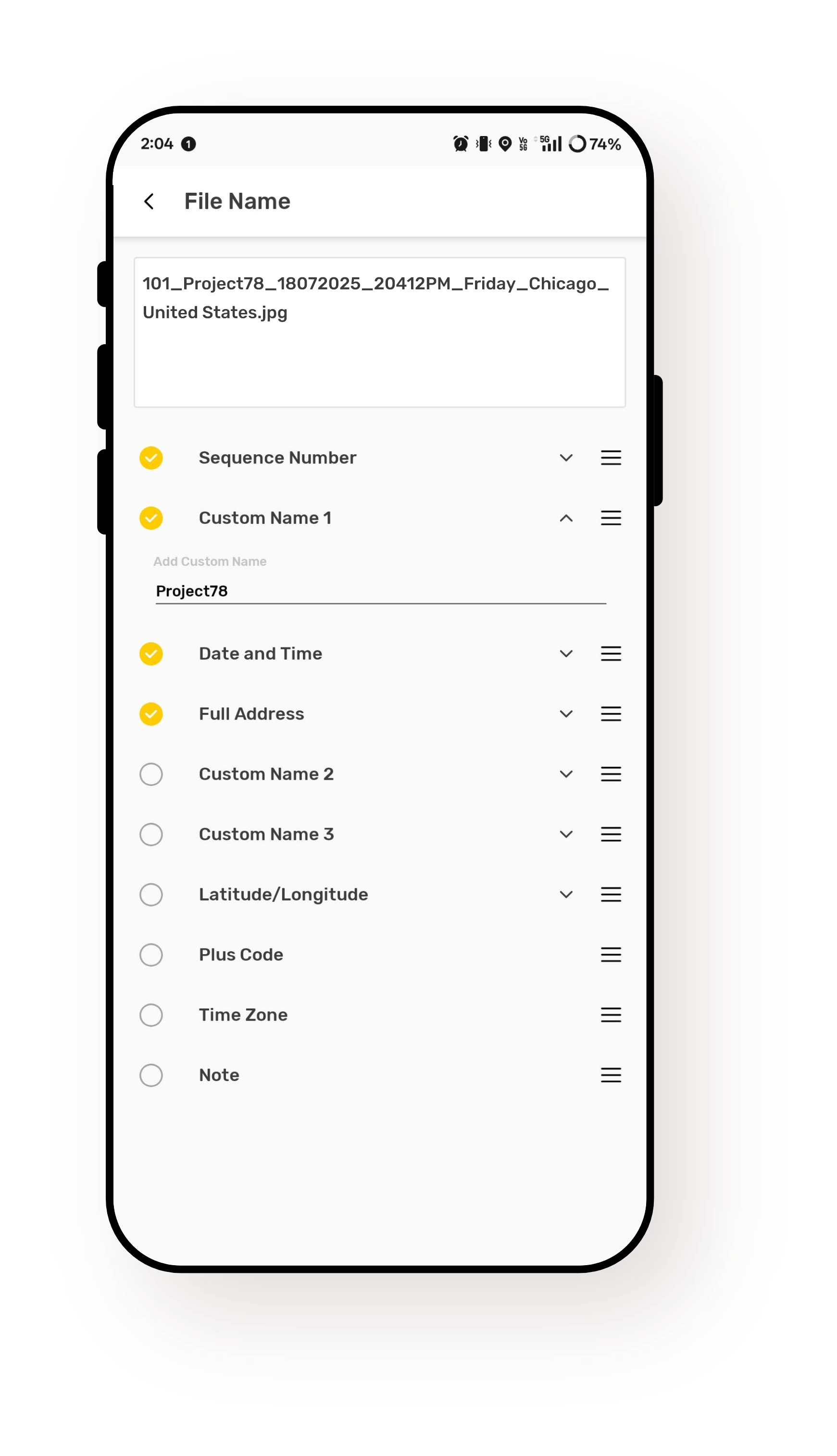
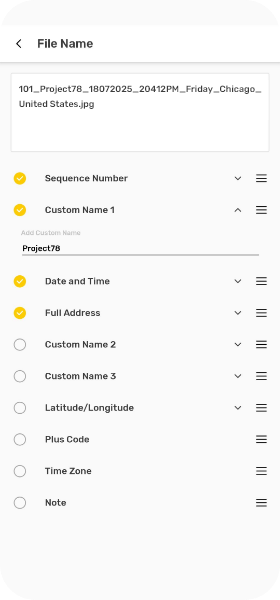
Explore All FeaturesGPS Map Camera automatically names your photos using the location, date, and time from the stamp — no manual work needed. Perfect for professionals who need clean, organized files ready for reports, sharing, or recordkeeping.
No manual renaming
Clean and easy-to-search images
Consistent formatting for reporting or sharing


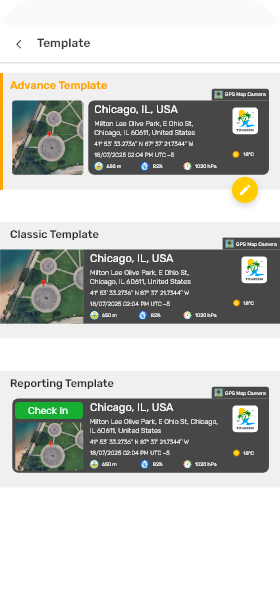
See how GPS Map Camera’s powerful interface makes your images more than just pictures—each one is an authentic, accurate snapshot with automatic stamps.
We believe in transparency. Here are answers to the questions our users ask most.
Explore how people across industries use our app to get accurate, authentic photo documentation.
Super helpful for logging my location and time while working off-site. Plus the file naming is a lifesaver!

I love how my photos show exactly where and when they were taken. It makes my posts more real — and my memories more organized.

Clients trust me more when I send geo-stamped images. It’s added professionalism to my entire work process.

Exactly what I needed! Now every project photo I take includes GPS, time, and location. It’s become a daily part of my workflow.

However, this creates a feedback loop. Popular media is becoming increasingly risk-averse. While we have more volume than ever, we are seeing a collapse of the "mid-budget" original. Everything must be a franchise, a universe, or a true-crime docuseries because the math says those are the safest bets. If the 2010s were the decade of the "Binge," the 2020s belong to the "Micro-Binge." Enter TikTok, YouTube Shorts, and Instagram Reels.
Popular media is no longer just a mirror reflecting society; it is a hammer shaping it. It dictates our fashion, our slang, our politics, and our loneliness. To be a literate citizen in this age is not just to watch content, but to understand the architecture of the algorithm that feeds it to you. Babysitters.2.XXX.2011.720p.10bit.WEB-DL-Katmov...
This fragmentation has a double edge. On one hand, it has birthed the "Golden Age of Niche." Content no longer has to appeal to everyone; it just has to appeal intensely to someone. On the other hand, the shared cultural touchstones that once united us are vanishing, replaced by algorithmically curated silos. Perhaps the most significant shift in popular media is who—or what—decides what gets made. For decades, the gatekeepers were studio executives and network heads. Today, the gatekeeper is the Algorithm . However, this creates a feedback loop
Critics argue this is destroying our attention spans. Creators argue it is the most democratic art form ever invented. A teenager in Ohio can now edit a video that reaches 10 million people, bypassing every traditional media gatekeeper. For better or worse, popular media is no longer a broadcast; it is a conversation—albeit a very loud, very fast one. As traditional community structures weaken, popular media figures have stepped into the void. Radio hosts once called listeners "friends." Now, YouTubers and podcasters literally look you in the eye through a lens and speak to you as if you are sitting on their couch. Everything must be a franchise, a universe, or
Soon, the line between "watching" and "doing" will blur entirely. Generative AI will allow you to insert yourself into your favorite sitcom or generate a new episode of a canceled show on the fly.
Streaming services don't just host content; they mine it. They know when you paused, when you rewound, and when you fell asleep. This data feeds back into production, leading to a wave of "data-driven" entertainment. This is why we saw a resurgence of Top Gun nostalgia or a Suits revival years after it aired. The algorithm spotted latent demand.