What set EXEG apart was its obsessive . Each file was accompanied by a .SFV (Simple File Verification) checksum and, in many cases, a .NFO file written by Exeg himself. These notes were dry, technical, and oddly poetic. An example for a driver file might read: "Adaptec 2940UW BIOS v2.20. Last known good version before the 2.21 timing bug. Extracted from a dead Compaq server in Ohio, 2002. Don't use the Dell OEM flash." This level of provenance turned the archive from a simple collection into a research library. The Fall and the Ghost Like many great archives of the early internet, EXEG began to fade around 2005–2006. Broadband became ubiquitous, centralized forums overtook FTP, and sites like Download.com (pre-bloatware era) and MajorGeeks became the go-to sources. The last known update to the primary EXEG FTP server was logged in March 2007. The domain exegarchive.org eventually expired.
For the uninitiated, stumbling upon the "EXEG Archive" feels less like browsing a modern file repository and more like opening a sealed time capsule from the late 1990s and early 2000s. But what exactly is the EXEG Archive? Where did it come from, and why does it continue to command such quiet reverence in niche corners of the internet? The story of EXEG begins in the era of dial-up connections, IRC channels, and the fragile ecosystem of personal homepages hosted on Geocities, Angelfire, and Tripod. This was a time before cloud storage and "forever" links. Software was shared via floppy disks, CD-Rs, and, if you were lucky, a sluggish FTP server. exeg archive
In the ever-evolving landscape of digital history and software preservation, certain names rise from the ashes of obscurity to become legendary among collectors, researchers, and retro-computing enthusiasts. One such name is EXEG . What set EXEG apart was its obsessive
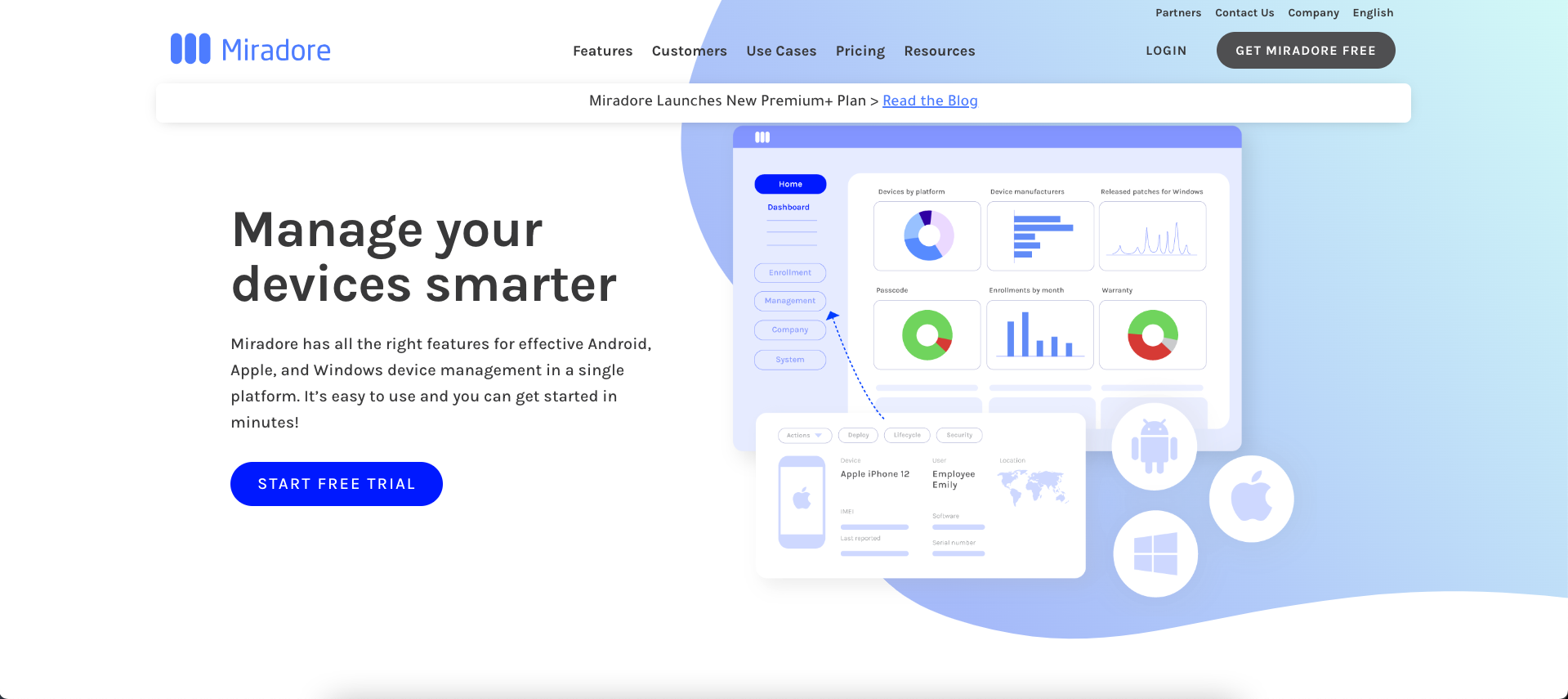
Miradore offers a comprehensive and user-friendly mobile device management platform that allows businesses to seamlessly secure, control, and automate a diverse array of devices including smartphones, laptops, and tablets, catering to the needs of SMBs, IT service providers, and educational institutions for streamlined operations and enhanced device compliance.
Enables businesses to enroll, secure, and manage mobile devices, ensuring streamlined operations and device compliance.
A comprehensive management solution that secures and manages a wide range of mobile devices within a corporate environment.
Unifies the management of mobile devices, laptops, and desktops under a single platform for better control and security.
Allows employees to use their personal devices for work while maintaining security and compliance with corporate policies.
Award-winning MDM solution recognized for its effectiveness, ease of use, and intuitive interface.
Supports a wide range of device restrictions, particularly for Apple iOS, offering strong control over device functionality.
Provides Kiosk mode for Android devices running Android 9 and above, ensuring devices are used for their intended purpose.
While offering a strong suite of features, brand recognition in the competitive MDM market could be increased.
Signing up with Miradore means starting to manage your Android, Apple, and Windows devices with their MDM software. You will likely explore features such as security management, device control, and automation capabilities like Business Policies. To get going with Miradore, you can sign up for a free 14-day trial on their website or contact their sales team for assistance. If Miradore isn't the perfect match for you, remember that there are other companies in our rankings to consider.