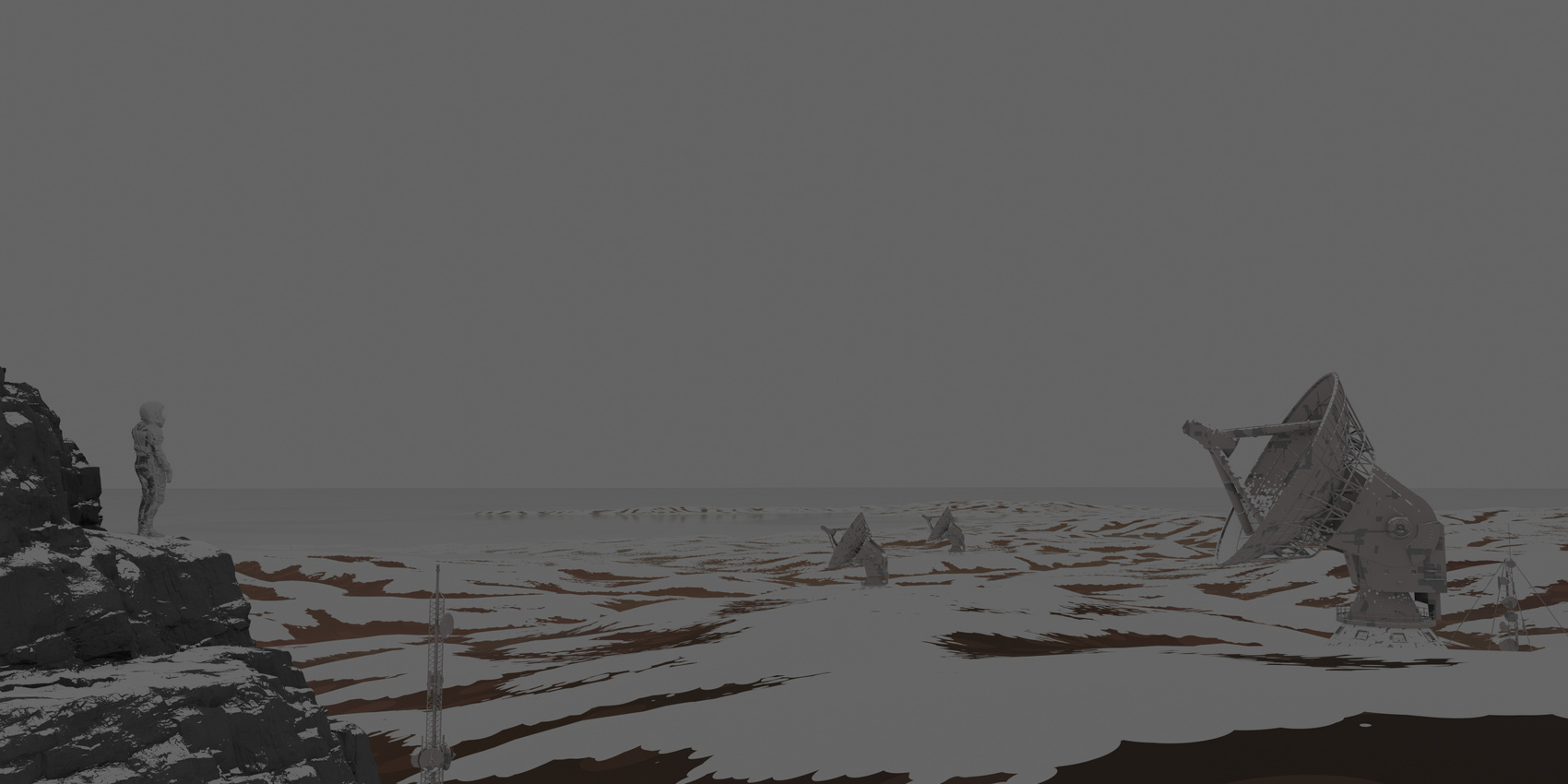








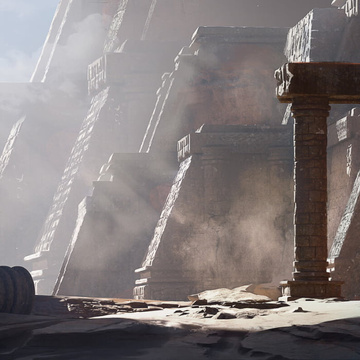
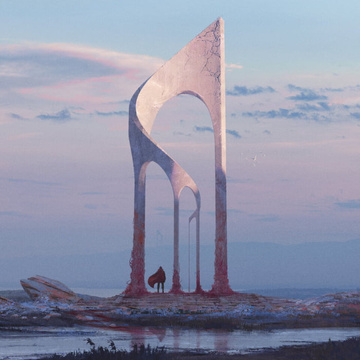
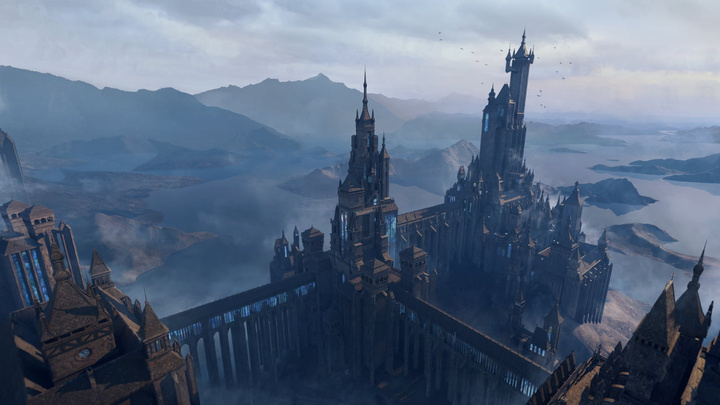

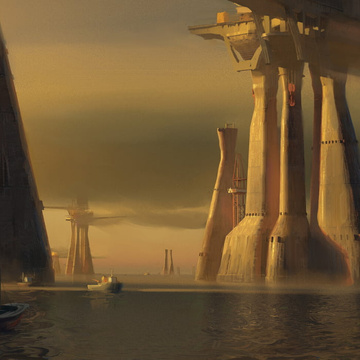










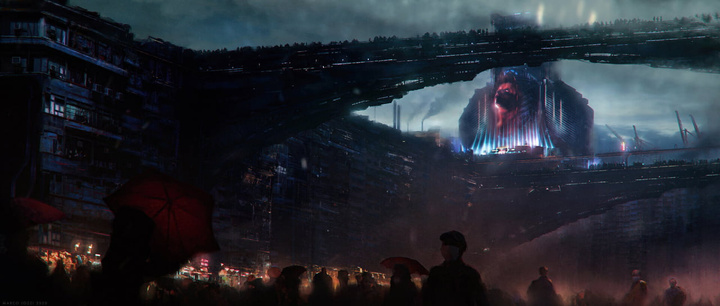




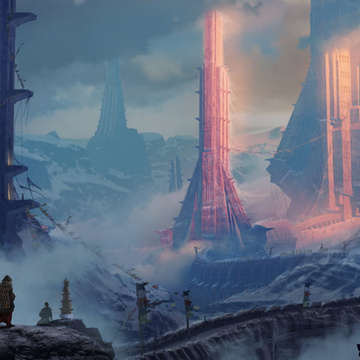


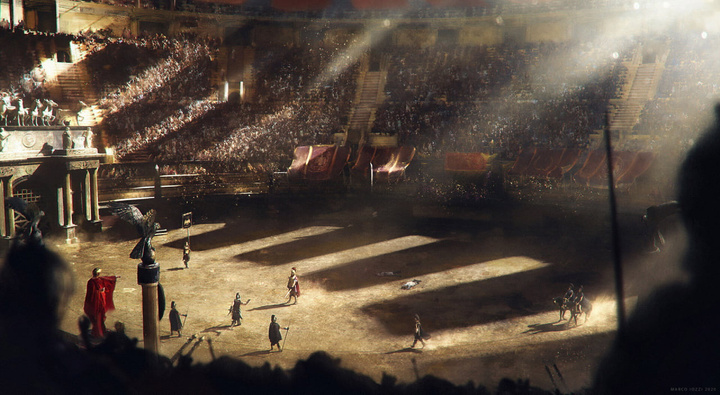

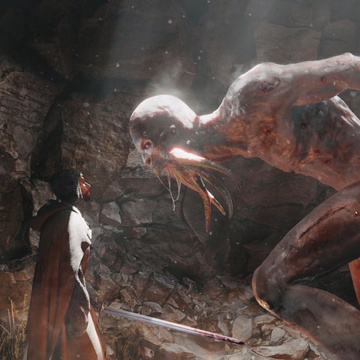
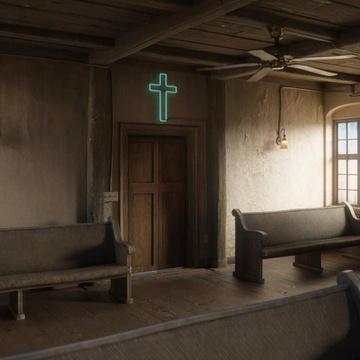


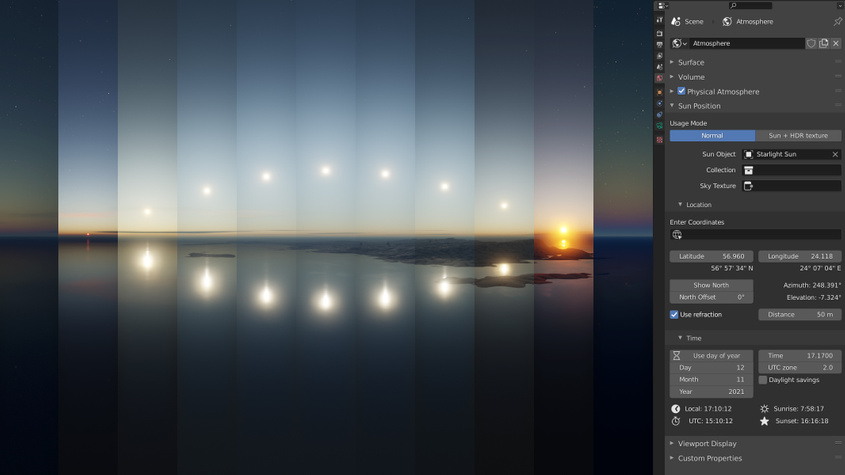
This addon saves hours that usually are invested in manually creating sky, atmosphere and placing sun object and stars, and automates it within a single click.
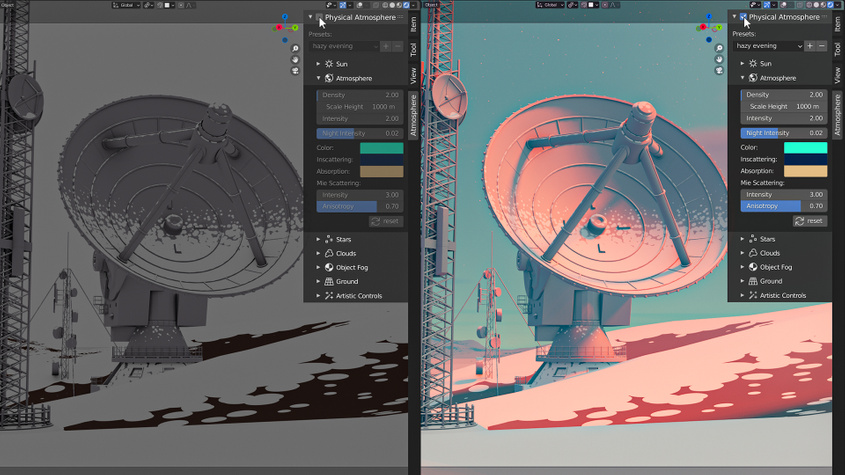
We have more than a decade of experience with atmosphere rendering techniques in computer graphics industry. Physical Starlight and Atmosphere addon is used in entertainment, film, automotive, aerospace and architectural visualisation industries.
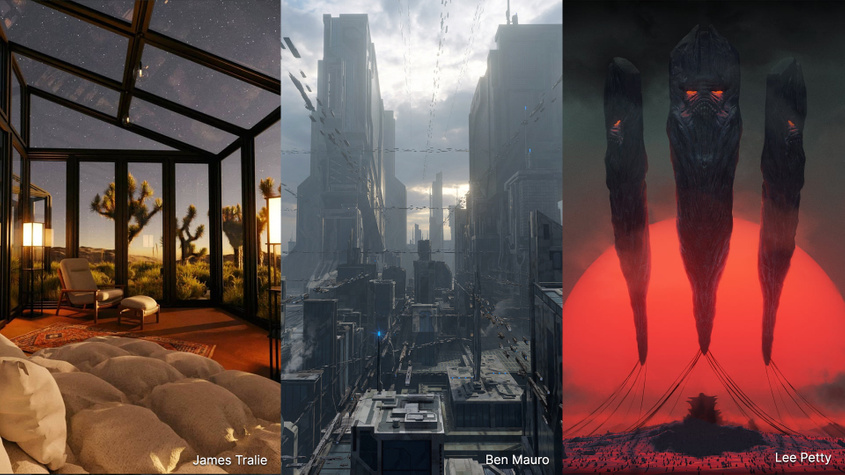
Presets allow to store a snapshot of your customized atmosphere settings and return to it later or use already predefined presets provided by the addon.

We use a procedural method of calculating the atmosphere based on many tweakable parameters, so that sky color is not limited only to the Earth's atmosphere.

Works well in combination with Blender Sun Position addon. You can simulate any weather at any time.

"Physical Starlight and Atmosphere has been an invaluable tool for me in my personal/professional work and a huge missing link for lighting in Blender. It still feels like magic every time I use it, I can't recommend it highly enough!"

"Physical Starlight and Atmosphere has been an essential add-on for all of my environmental design projects. It gives me such incredibly flexibility and control over the look and feel of my renders. Lighting is key for any project, and this add-on always gives my work that extra edge."

"As a lighting artist, focusing on the overall mood of an image is super important. Physical Starlight and Atmosphere is based on reality, so I can spend all of my time iterating on the look without worrying about how to achieve it. "

"I love the tool. It has been my go-to since I picked it up a couple of months ago."

"My work life has become super easier since I started using Physical Starlight and Atmosphere, it cut down a lot of technical headache associated with setting up a believable lighting condition and gave me more time to concentrate on the creative part of my design process."
In conclusion, Malayalam cinema is not a simple product of culture; it is an active producer of it. From the socialist realism of its early days to the psychological depth of its golden age and the bold, unsettling honesty of its new wave, it has chronicled Kerala’s transition from a feudal, agrarian society to a post-modern, globalized one. It has given voice to the silenced, laughed at the powerful, and wept with the common man. For anyone seeking to understand the soul of the Malayali—their fierce intellect, their tragic sense of humour, their political passion, and their deep-seated humanity—the answer lies not just in the backwaters and the monsoons, but in the flickering images of their cinema. It remains the most vital, honest conversation Kerala has with itself.
The watershed moment arrived in the late 1970s and 1980s, a period rightly hailed as the ‘Golden Age’ of Malayalam cinema. Spearheaded by visionary directors like G. Aravindan, John Abraham, and Adoor Gopalakrishnan, and screenwriter M. T. Vasudevan Nair, this era produced a cinema of uncompromising realism. However, the most significant cultural phenomenon was the rise of the ‘middle-stream’ cinema—exemplified by legends like Bharathan, Padmarajan, and K. G. George—which masterfully blended artistic merit with popular appeal. This was the age of the ‘common man’ hero, epitomized by actors like Mammootty and Mohanlal. Films such as Kireedam (1989) and Bharatham (1991) dissected the tragic collapse of the patriarchal joint family, the crushing weight of societal expectation, and the psychological turmoil beneath the serene, coconut-fringed surface of Kerala life. They captured the state’s unique political culture—a landscape of aggressive trade unions, communist strongholds, and a highly polarized electorate—without resorting to caricature. The iconic sandwich (a unique style of dialogue delivery, where a serious line is followed by a humorous, often cynical, retort) became the verbal signature of the Malayali intellect: witty, self-deprecating, and relentlessly critical. Mallu aunty hot videos download
The foundational era of Malayalam cinema, from the 1950s to the early 1970s, was deeply rooted in the state’s rich literary and performance traditions. Films like Neelakuyil (1954), based on a contemporary short story, drew heavily from the soil, addressing caste discrimination and rural poverty with a sincerity borrowed from the sangeet natakam (musical drama) tradition. This period established a template where cinema was an extension of Kerala’s high literacy rate and its culture of intellectual debate. The songs, often penned by legendary poets, were not just fillers but lyrical commentaries on love, nature, and social justice, embedding classical raga s and folk rhythms into the popular imagination. In conclusion, Malayalam cinema is not a simple
Malayalam cinema, the film industry of the southern Indian state of Kerala, has long been overshadowed by its larger counterparts in Bollywood and Kollywood. However, in recent years, it has garnered national and international acclaim for its realistic narratives, technical brilliance, and unflinching exploration of the human condition. But to view Malayalam cinema merely as entertainment is to miss its more profound role. It serves as a dynamic, evolving cultural archive—a mirror that not only reflects the unique ethos, traditions, and anxieties of Kerala but also actively shapes its collective consciousness. The journey of Malayalam cinema, from mythological melodramas to gritty, hyper-realistic thrillers, is essentially the story of modern Kerala itself. For anyone seeking to understand the soul of
The late 1990s and 2000s witnessed a period of commercial stagnation, marked by formulaic family dramas and slapstick comedies that seemed to retreat from the complex questions posed by their predecessors. This decline mirrored a broader cultural fatigue, as Kerala grappled with economic stagnation, rising religious fundamentalism, and the disillusionment following the end of the Cold War. However, the 2010s ushered in a ‘New Wave’ or ‘Second Golden Age,’ driven by a new generation of filmmakers and the democratizing force of OTT platforms. This new cinema is characterized by its fearless thematic ambition. Films like Drishyam (2013) redefined the mainstream thriller with its intellectual, middle-class protagonist, while Kumbalangi Nights (2019) deconstructed toxic masculinity and presented a nuanced portrait of a dysfunctional family in a backwater slum. The Great Indian Kitchen (2021) became a landmark feminist text, using the mundane ritual of cooking to expose patriarchal oppression within the hallowed space of the Hindu illam (home). This wave has not shied away from Kerala’s darker undercurrents: political corruption ( Ayyappanum Koshiyum ), religious hypocrisy ( Amen ), and the crisis of a diaspora caught between two worlds ( Virus ).
In its current phase, Malayalam cinema is an anxious, restless art form, perfectly suited to an era of uncertainty. It has moved from celebrating the land’s natural beauty to exploring the claustrophobia of its small towns and the alienation of its hyper-connected youth. The rise of smaller-budget, content-driven films has challenged the star system, making the actor a servant of the character. The language itself has evolved on screen, incorporating the raw, vibrant slang of different taluks (sub-districts), moving away from the standardized, literary dialect.