The novel’s impact extended beyond the literary sphere, influencing the broader cultural landscape. “Novela Rebelde” became a cultural phenomenon, inspiring a new wave of artistic expression, from music to film. The novel’s themes of rebellion and nonconformity spoke to a generation of young people seeking to challenge the status quo.
In the end, “Novela Rebelde” is a testament to the enduring power of literature to challenge, inspire, and transform us. As a work of art, it continues to speak to our deepest desires, fears, and aspirations, ensuring its relevance for generations to come. novela rebelde
To understand the significance of “Novela Rebelde”, it’s essential to consider the historical context in which it was written. Post-World War II Argentina was a country in turmoil, grappling with the consequences of rapid industrialization, urbanization, and social change. The traditional values of the past were being challenged, and young people, in particular, were seeking new ways to express themselves and assert their individuality. In the end, “Novela Rebelde” is a testament
Novela Rebelde: A Revolutionary Force in Latin American Literature** Post-World War II Argentina was a country in
Despite the initial controversy, “Novela Rebelde” has been widely acclaimed as a masterpiece of 20th-century Latin American literature. The novel has been translated into numerous languages and has sold millions of copies worldwide.
It was against this backdrop that Sábato, a renowned physicist, philosopher, and writer, penned “Novela Rebelde”. The novel is a collection of eight short stories that explore the lives of disaffected youth, struggling to find their place in a rapidly changing world.
Through its characters, Sábato tackles themes that were considered taboo at the time, such as teenage rebellion, nonconformity, and the search for meaning. The stories are loosely connected by a narrative thread, which follows a group of young people as they navigate the complexities of adolescence.


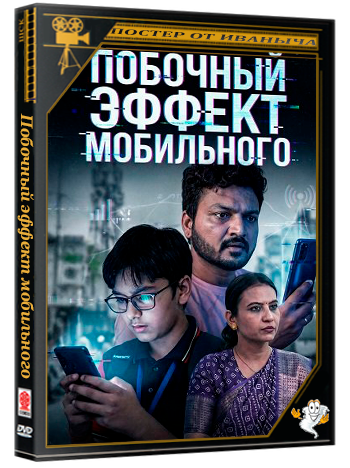




![Одни из нас / The Last of Us [S01-02] (2023-2025) WEB-DLRip-AVC | КПК | HDrezka Studio](https://i8.imageban.ru/out/2026/03/07/562c9aa55d6b11aac01d79b7d6331d54.png)
![Chromium 145.0.7632.160 + Portable (x64) [2026, Multi/Ru]](https://i8.imageban.ru/out/2026/03/07/f4602b3d8b42e42c1e28389a01e6cf56.png)


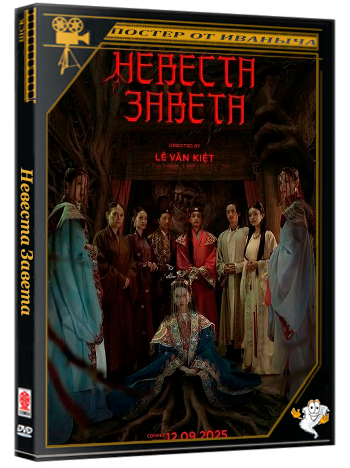

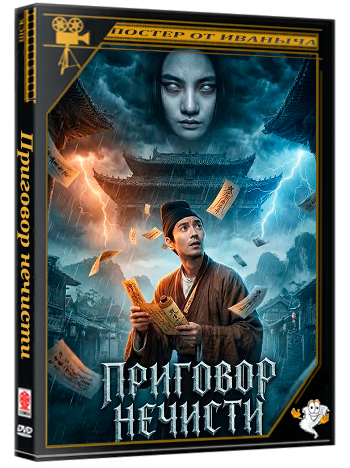
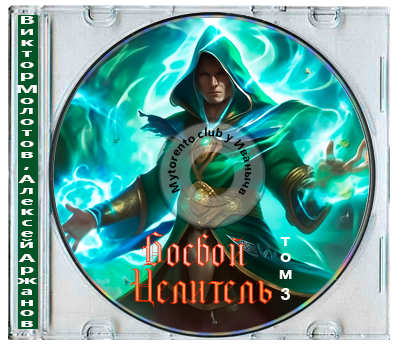
![HyperSnap 9.7.2 RePack (& Portable) by TryRooM [2026, Ru/En]](https://i3.imageban.ru/out/2026/03/07/c8fb96121ac1777f61625b7dcb3565f9.png)